
Choosing the right steel for your fabrication project is one of the most consequential decisions you will make. Get it right and your project runs on time, on budget, and to specification. Get it wrong and you face costly rework, structural issues, or premature corrosion. At Best Metal Steel, we have been helping fabricators, contractors, and developers across Dubai and the UAE make smarter material choices since 2020. Whether you need a reliable steel supplier for fabrication or guidance on which grade suits your application, this guide covers everything you need to know about mild steel versus stainless steel.
What Is Mild Steel?
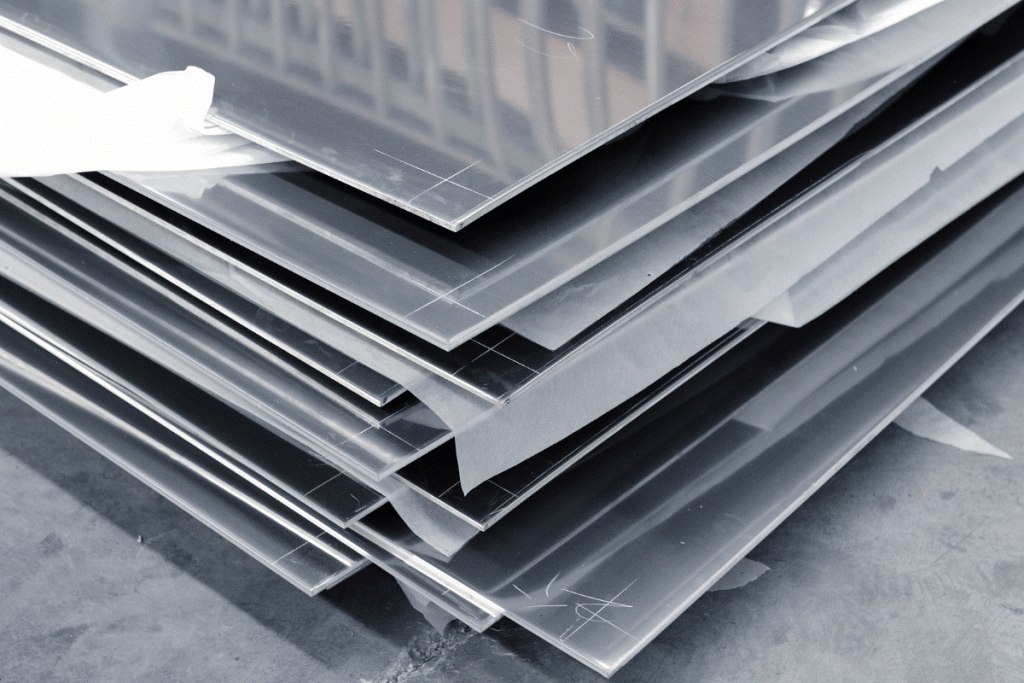
Mild steel, also known as low-carbon steel, contains a relatively small percentage of carbon, typically between 0.05 and 0.25 per cent. This low carbon content gives it excellent weldability, formability, and machinability. It is the most widely used steel type in construction, general fabrication, and structural applications across the UAE.
Common mild steel products include plates, angles, channels, beams, hollow sections, and rebar. It is affordable, easy to work with, and available in large volumes, making it the go-to choice for high-volume or budget-sensitive fabrication jobs.
The main limitation of mild steel is its susceptibility to rust and corrosion, particularly in humid or coastal environments like those found across the UAE. Without a protective coating such as paint, galvanising, or powder coating, mild steel will oxidise over time.
What Is Stainless Steel?
Stainless steel contains a minimum of 10.5 percent chromium, which forms a passive oxide layer on the surface and provides natural corrosion resistance. This makes it ideal for environments where exposure to moisture, chemicals, or saltwater is a concern.
In the UAE, stainless steel is commonly used in food processing facilities, pharmaceutical production, marine applications, architectural facades, handrails, and kitchen equipment. The most widely used grades are 304, 316, and 316L, each offering different levels of corrosion resistance and mechanical strength.
Stainless steel costs more than mild steel, both in material price and fabrication time, as it requires more careful handling and specialised tooling to avoid contamination. However, for applications where longevity, hygiene, and appearance matter, it more than justifies the investment.
Head-to-Head Comparison for Fabrication
Cost: Mild steel is significantly more affordable. For large structural projects, this difference adds up quickly and makes mild steel the preferred choice where corrosion protection can be applied externally.
Corrosion Resistance: Stainless steel wins outright. In outdoor, coastal, or chemical-exposure environments, stainless steel requires no additional coating and delivers far longer service life.
Weldability: Mild steel is easier and faster to weld, reducing labour costs and fabrication time. Stainless steel requires more precise heat control and specialised consumables to produce clean, uncontaminated welds.
Strength: Both materials offer good structural strength, though stainless steel grades like 316 provide higher tensile performance in demanding environments. For standard structural loads, mild steel is entirely adequate.
Appearance: Stainless steel has a clean, polished aesthetic that makes it a natural choice for architectural and decorative applications. Mild steel, once coated, can achieve a wide range of finishes but lacks the inherent surface appeal of stainless.
Maintenance: Stainless steel requires minimal maintenance over its lifespan. Mild steel, if not properly coated and maintained, will require periodic inspection and recoating to prevent degradation.
Which Should You Choose?
The answer depends entirely on your application and environment. For structural frames, general construction, and cost-sensitive fabrication projects, mild steel is the smarter choice as long as a suitable protective finish is applied. For food-grade, marine, chemical, or architecturally exposed applications, stainless steel is worth every additional dirham.
As a trusted steel supplier for fabrication across the UAE, Best Metal Steel stocks both mild steel and stainless steel in a comprehensive range of forms and grades. Our team includes engineers and project managers who can assess your specifications and recommend the most appropriate material for your exact application. We also offer cut-to-size, welding, and sub-assembly fabrication services to reduce your on-site workload and accelerate project delivery.
Frequently Asked Questions
A: Yes, with the right protective coating. Galvanised or powder-coated mild steel performs well in outdoor UAE environments, though for coastal or high-humidity settings, stainless steel is a more durable long-term option.
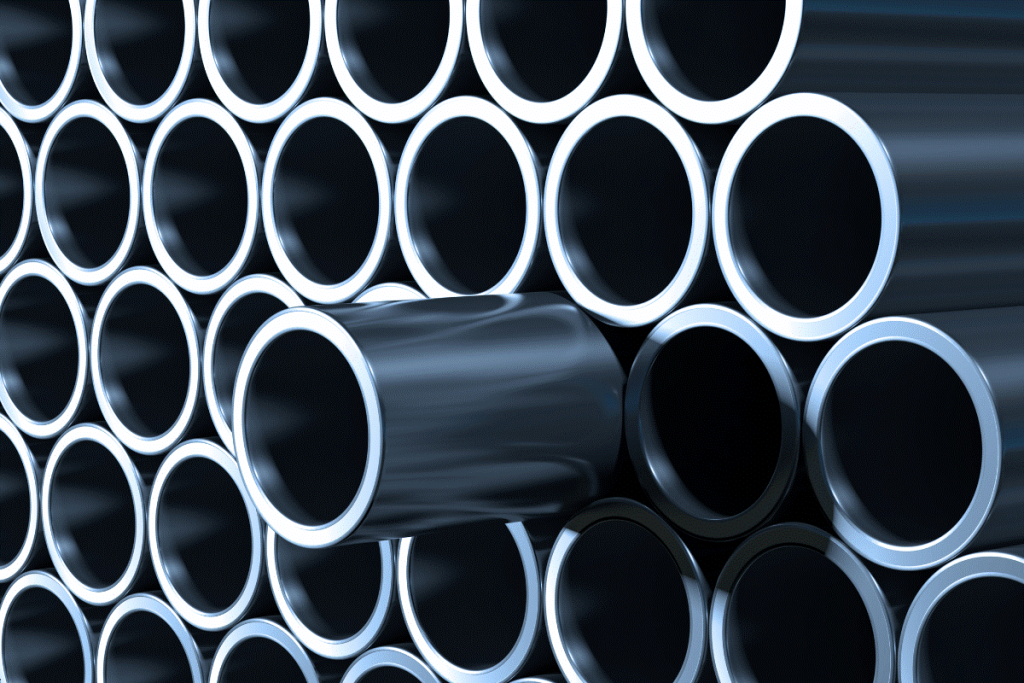
A: We stock 304, 316, and 316L grades in sheets, plates, pipes, bars, and tubes, along with mirrored, brushed, and bead-blasted finish options.
A: It requires more care and specialised tooling, but our team can guide you on best practices and supply material in cut-to-size formats to simplify your fabrication process.
A: Stainless steel, specifically grade 316 or 316L, is the industry standard for food processing due to its hygiene properties, corrosion resistance, and ease of cleaning.
Conclusion
Both mild steel and stainless steel have their place in UAE fabrication, and choosing between them is not about which is better overall. It is about which is right for your specific project. At Best Metal Steel, we are here to help you make that call with confidence. As a go-to steel supplier for fabrication in Dubai and Sharjah, we combine extensive stock, technical expertise, and genuine customer support to ensure your project gets exactly what it needs.
Ready to source the right steel for your next project? Call us on +971 56 111 3655 to speak with our team today.