
Galvanized steel and mild steel: both are varieties of structural steel that you often come across if you work in the construction or related industry. As a steel supplier in Dubai, we are aware that in most people’s minds, they are practically the same material with a slight difference, which is their coating. To an extent, that is true, but not fully.
The basic difference between mild steel and galvanized steel is that the latter is coated with zinc. That’s easy to guess, and as you already know, this coating is meant to prevent corrosion. So, should there even be a question as to which one to go for while you are building something that is meant to last for a long time? Shouldn’t the automatic choice be galvanized steel?
Well, not always! The reason is that you wouldn’t always need the kind of steel with a coating. The key is knowing where this coating actually matters. If not, you will either end up paying extra for something you don’t really need, or you will be risking your structure’s durability in exchange for a little amount of money that you save in the beginning on your steel purchase. Sounds like something you need to learn more about. Doesn’t it? Well, keep reading, and you will find out more!
What is mild steel?
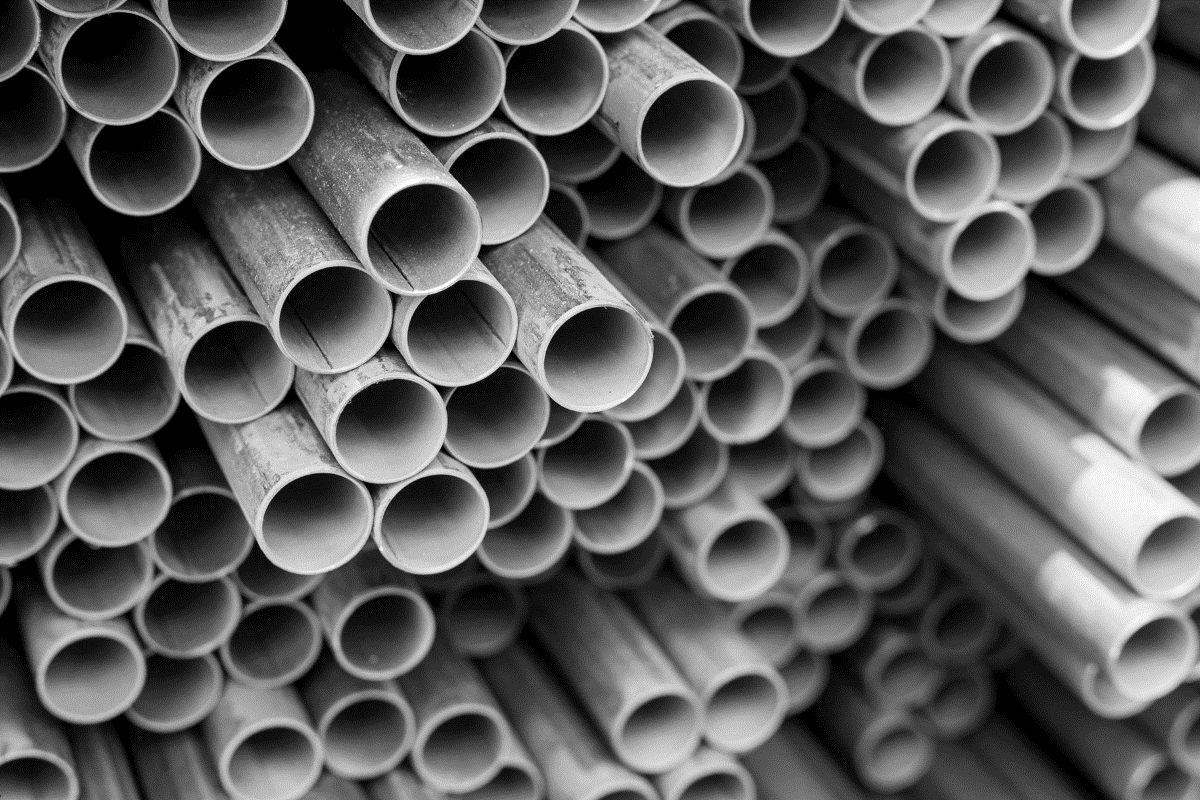
Mild steel is a category of structural steel also known as low-carbon steel, because it contains a small percentage of carbon somewhere between 0.05 and 0.25%. This gives the steel good strength without making it brittle or heavy. It is also the category that is most commonly used in construction and fabrication.
Mild steel is characterized by its high malleability and ductility due to its low carbon content. This makes it easy to bend, cut, drill, and shape based on the construction requirements. Another construction-favoring feature of mild steel is its weldability. It can be welded without the risk of structural brittleness that is common among its high-carbon alternatives.
That said, it is highly vulnerable in the presence of moisture and oxygen. Mild steel is not naturally corrosion-resistant. When it comes in contact with oxygen and moisture, it will easily oxidize and form iron oxide, which is another name for rust. Being a steel supplier in Dubai, we understand that the speed of this process depends on the environment. For instance, in coastal and high-humidity areas, untreated mild steel will start showing surface rust within as little as weeks.
However, mild steel is a good choice for many applications, particularly indoor structural work. As long as you don’t use it in structures that constantly come in contact with moisture, you are good to go!
What is galvanized steel?
Galvanized steel starts as mild steel. Then, it goes through the whole process of galvanization, where a layer of zinc is bonded to its surface. The most popular method of galvanization is hot-dip galvanization, where, as the name suggests, the raw steel is cleaned and submerged in a bath of molten zinc, at a temperature around 450 degrees Celsius.
As most people think, galvanization does not just coat the steel like a layer of paint. Rather, it chemically bonds with the iron to create a series of zinc-iron alloy layers, which is topped with a pure zinc exterior.
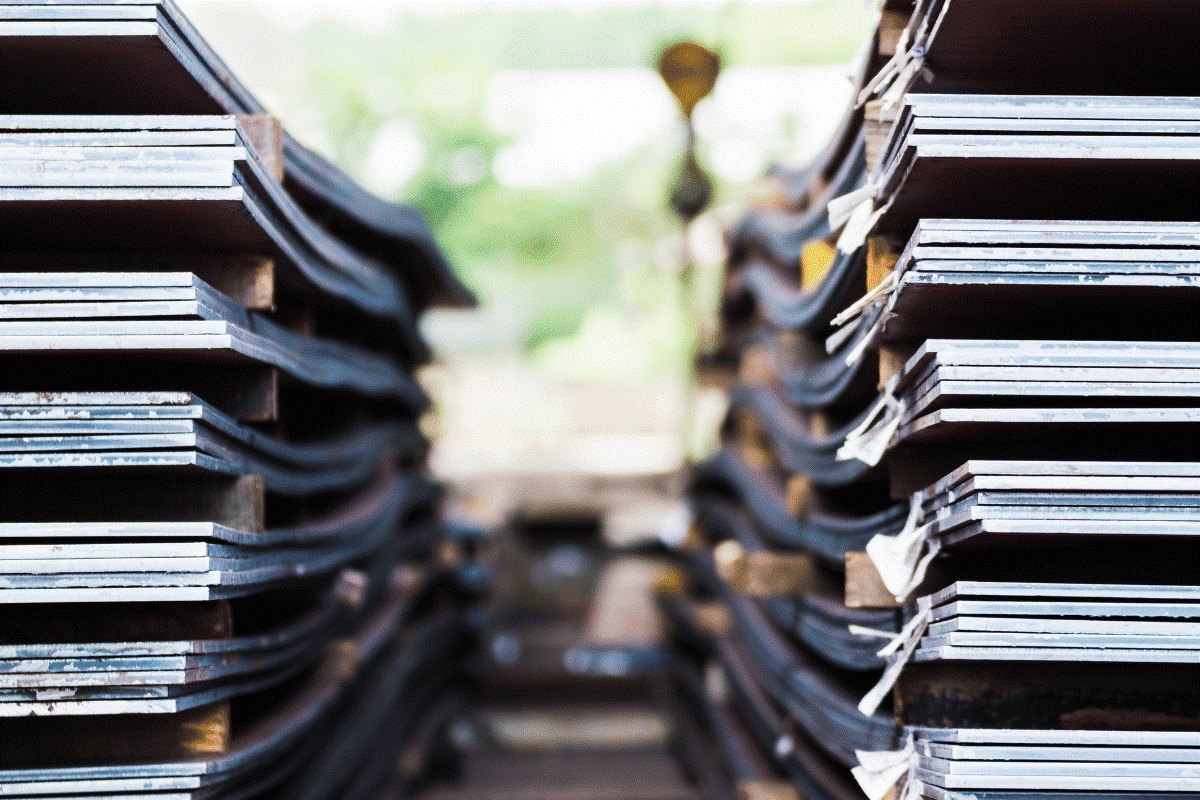
Galvanization of steel offers protection in two different ways. First, the coating acts as a physical barrier against external corrosion factors such as water and air. Second, zinc provides sacrificial protection. Even if the coating gets scratched or chipped, the zinc around the damaged area continues to protect the steel through cathodic protection, where the zinc will corrode first to protect the exposed steel beneath it.
Mild Steel vs. Galvanized Steel
| Feature | Mild steel | Galvanized steel |
| Corrosion resistance | Low | High |
| Cost | Lower | Higher (10-30%) |
| Weldability | Excellent | Moderate (zinc fumes require precautions) |
| Surface finish | Raw, paintable | Matte zinc appearance |
| Lifespan outdoors | Years (with maintenance) | Decades (with minimal maintenance) |
| Best for | Indoor structural, painted finishes | Outdoor, marine, high-humidity environments |
When does the coating make a difference?
As stated already, not every project requires galvanized steel. Just like that, mild steel is not suitable for every job either.
1. Outdoor use and atmospheric exposure
Steel used in outdoor structures such as fences, gate frames, outdoor staircases, structural elements in semi-open buildings, and pergola posts will come in contact with air and moisture so easily. They will face rain, morning dew, temperature variations, and, of course, humidity. Unprotected steel exposed to such weather conditions can develop surface rust within weeks, sometimes within days.
You will benefit more from coated steel in such environments. Galvanized steel extends service life without constant repainting. It can protect the structural steel beneath for as long as half a century without regular maintenance.
2. Coastal area structures
Salt water and salt air are highly aggressive and corrosive to electronics and metals alike. If your construction project is located within a few kilometers of the coast, the salt will strip away the paint coating and eat through untreated mild steel faster than you imagine.
While the salt is harsh on zinc as well, the galvanization will still provide a line of defense that maintains the structural beams and gates for longer.
3. Steel in regular contact with water
Structures such as drainage, water tanks, agricultural equipment, and practically anything that sits on or near a waterbody are at risk of corrosion. The only viable choice in such situations is galvanized steel.
4. Industrial environments
Industrial environments, architectural installations, and agricultural fields are areas where condensation builds up. Under such conditions, ordinary mild steel will degrade rapidly. On the other hand, the zinc coating on galvanized steel stays stable in high humidity, preventing moisture from attacking the iron core.
5. Low maintenance is a priority
If you are not up for regular maintenance processes such as occasional painting, galvanized iron is your go-to. It does not need to be painted or treated regularly. Also, if the structure is somewhere a little difficult to access, the upfront cost of galvanization will be profitable in the long run compared to regular maintenance costs.
6. A longer design life
Lifespan is of utmost importance in infrastructure and structural elements where replacement is expensive or sometimes disruptive. Hot-dip galvanized steel can last over half a century in low corrosion environments and 20-30 years in moderate to severe conditions.
Mild steel is a good option when,
- The steel is used in building indoor structures
- Cases where extensive welding is required
- You are on a tight budget, and protection can be added later
- The finished appearance matters more than corrosion resistance or durability
Reach out to BM steel, the best steel supplier in Dubai, for any queries you may have.
Frequently Asked Questions
Not really. Since both galvanized steel and mild steel start from the sme base material, their strength remains similar. The zinc coating adds corrosion protection to the steel, but it does not build additional load-bearing capacity.
That depends on your requirements. Galvanized steel does not require a paint coating for corrosion protection. The zinc alone is capable of handling that. However, it can be painted for aesthetic reasons. That said, in very aggressive conditions, paint adds an extra layer of protection.
Yes, it can be welded. However, the zinc coating needs to be ground back from the weld area first. There is also one more thing that you need to factor in while welding galvanized steel: the fumes produced when welding zinc are extremely hazardous, and hence require proper ventilation and PPE kits during the entire process.
That depends entirely on the environment within the structure is standing. In a low-corrosion setting, it can last somewhere between 50 and 70 years. In moderate environments, you can expect a lifespan of up to 25 to 40 years. Under extreme conditions, the lifespan goes down to 15 to 20 years.