
Structural steel is one of the most widely used construction materials in the world. All those sky-high buildings that you see in Dubai, the bridges you wonder at, and every warehouse that you pass by: the basic structure of all these structures is made of, well, structural steel. It removes the limitations of weight and structure in building techniques. In other words, structural steel is the backbone of modern civilization.
Although structural steel is not a familiar term to the general public, it is an everyday term for civil engineers, project managers, construction developers, and procurement officers. It is one of the major factors that decides the speed of a project. It also plays a key role in financial viability and long-term durability in the construction process.
It is important to have a basic understanding of industrial metals, as structural steel trading in Dubai is among the most active in world markets today. To navigate this interesting world of structural steel, you first need a practical understanding of what it actually is, where it is used, and why it matters where it does, along with how to choose the right partner in steel trading in Dubai.
What is structural steel?
Structural steel, in simple words, is a variety of steel that is used in load-bearing construction. It is an alloy of iron and carbon, sized and shaped specifically for this use, and is therefore a better choice than general-purpose steel. While general-purpose steel, as the name suggests, can be used for practically anything, structural steel is produced to meet strict mechanical and chemical standards to carry the weight and stress demands of structures such as buildings, bridges, warehouses, and other infrastructure. Structural steel exhibits predictable mechanical behavior, making it an engineer’s favorite.
Structural Steel: Common Shapes and Their Roles
As stated already, structural steel is rolled and welded into specific shapes before use. This wide range of cross-sectional shapes is generally referred to as profiles, and each profile is designed to handle specific types of physical stress and weight distribution.
1. I-Beams and H-Beams
I-beams and H-beams are collectively known as universal beams and columns and are the most popular shapes in construction. They feature flanges, two flat horizontal plates, connected by a vertical middle section called the web. The universal beams and columns are designed to resist bending forces. Both of these beams have different functions: I-beams are meant to handle vertical loads in floors and roofs, and the H-beams, which are heavier and square-proportioned, are optimized to withstand high compressive forces as vertical columns.
2. Angle Iron
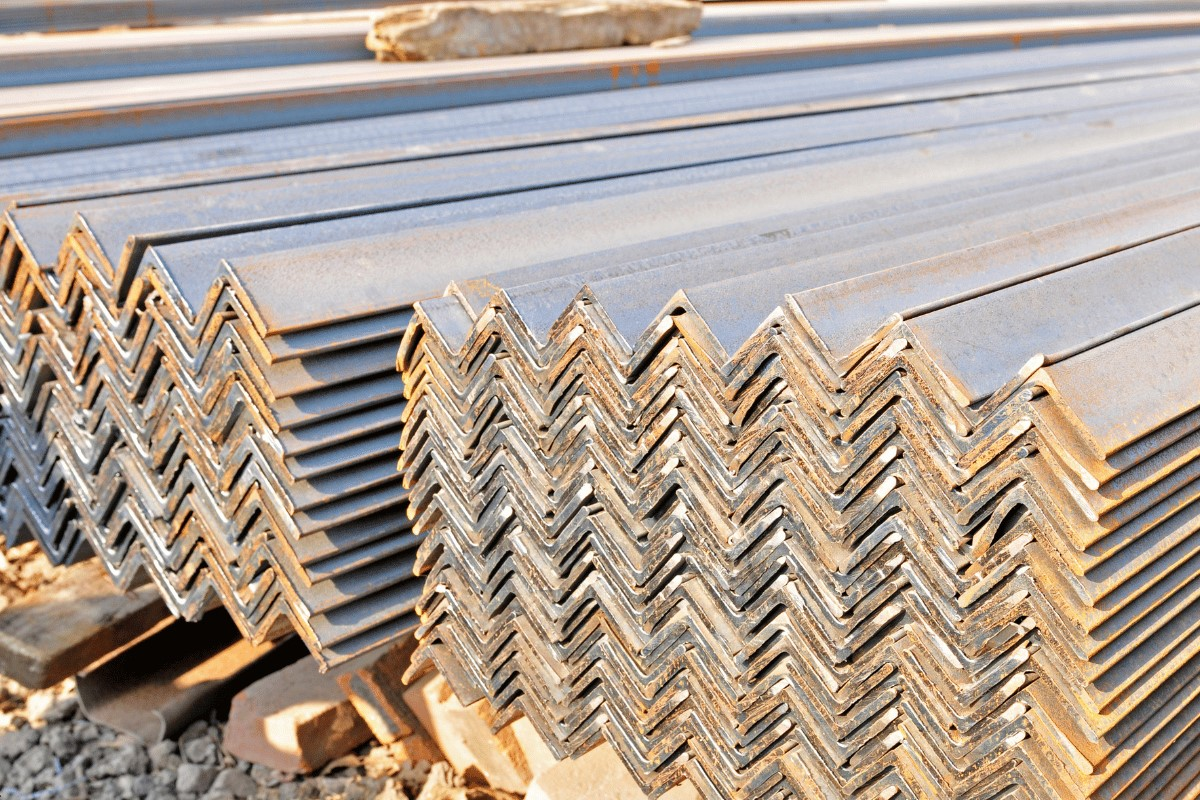
Angle irons are L-shaped and consist of two perpendicular legs that are joined at a 90-degree angle. They are typically used for bracing, trusses, and not-so-heavy structural frameworks. The reason why angle irons are used in these construction phases is that they offer resistance to twisting forces and hence, are a good option to secure primary beams together.
3. Channels
Channels are C-shaped profiles with a flat back web and two parallel flanges extending from one side. They are used to provide structural support for bridge decks, building frames, and secondary architectural elements. These areas require a flat back surface for flush mounting against other materials, and C-shaped structural steel is the best choice.
4. Hollow Sections
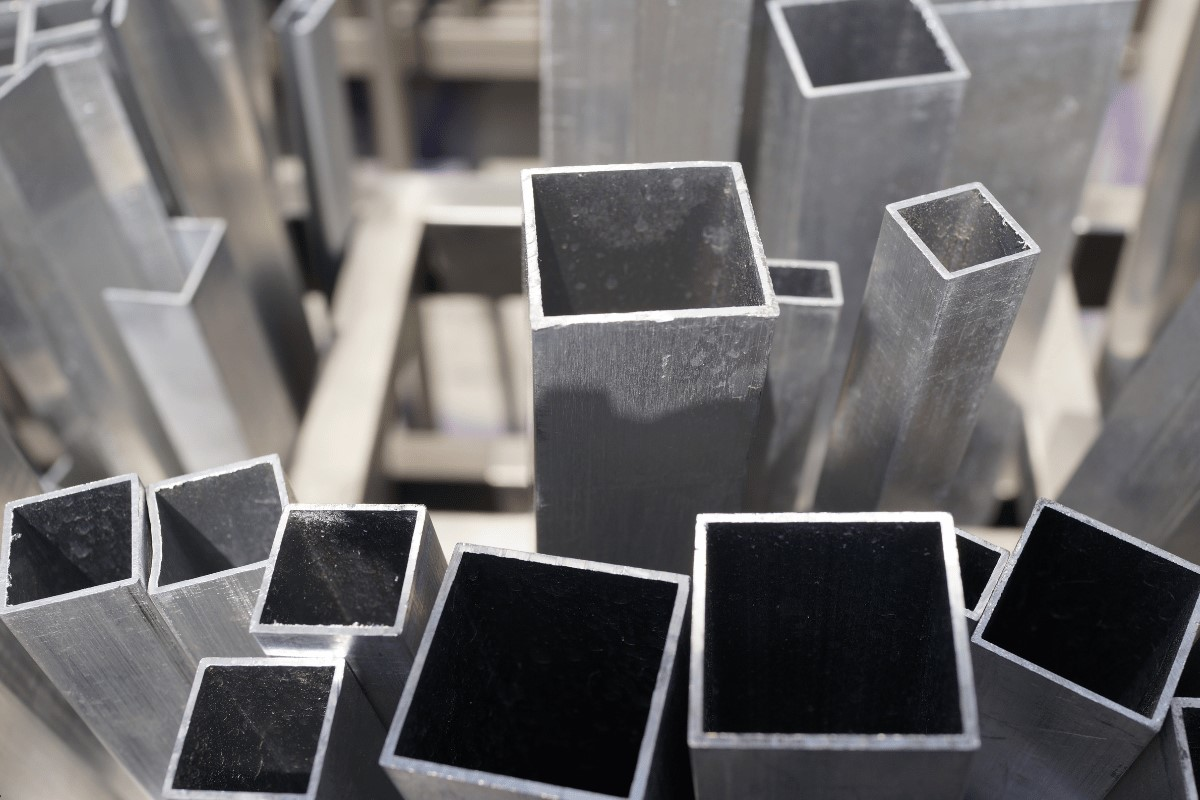
Hollow sections come in different shapes, including square, rectangular, and circular. They are enclosed metallic tubes characterized by their high strength and low overall weight. This makes hollow sections the go-to choice for columns in wind loads, which must resist forces from multiple directions simultaneously.
5. Flat plates and sheets
This is the final category of structural steel commonly used in construction. They form the building blocks of structures such as foundations, walls, and flooring systems because of their thin, flat shape.
Applications of structural steel: Where they are used
Structural steel one of the most versatile building materials. That’s why they are part of more industries than people realize.
- Construction and real estate
Whether it’s globally or in the UAE, the construction and real estate industry is the biggest consumer of structural steel. Be it a residential tower or a commercial complex, steel frames form the backbone of modern construction by enabling engineers and architects to design tall buildings, open floor plans, and complex shapes that would otherwise be impossible with general-purpose steel or other materials.
- Industrial facilities
Structural steel is used to build frameworks, support equipment, and walkways in industrial facilities such as factories, power plants, refineries, and processing facilities. They easily fit into complex industrial layouts and can handle heavy machinery loads, making them the perfect choice for building these industrial facilities.
- Infrastructure
Industrial steel is the best at handling dynamic loads, such as moving vehicles, and environmental stresses like wind and earthquakes. This is why it is preferred over all other alternatives when building structures, including roads, bridges, and metro systems.
- Oil and Gas
There are certain features, such as its strength-to-weight ratio and corrosion resistance, that make structural steel suitable for use in harsh environments. This is the reason why the oil and gas industry is heavily reliant on structural steel for building offshore platforms, pipelines, and onshore processing units.
- Warehousing and Logistics
In warehousing and logistics, structural steel is the preferred option because it is fast and easy to install, cost-effective, and can span large distances without internal columns.
Why structural steel matters
Those who are not aware of what makes structural steel stand out might ask questions like, “Can’t we do it with general-purpose steel, or some other alternatives?” The answer is No. It is not as effective as this industrial metal.
Structural steel is the standard due to a multitude of reasons.
- Its high strength-to-weight ratio offers better load-bearing capacity without the bulk.
- Structural steel prefabricated off-site drastically improves construction speed.
- It offers creative and functional freedom due to flexibility in design
- Recyclability to meet sustainability goals
- Durability, corrosion-resistance, and the ability to survive harsh conditions
- Cost predictability
Frequently Asked Questions
Structural steel is an alloy of iron and carbon, and it has various grades depending on the ratio of elements used. They vary in strength and other characteristics and are designed to meet different applications. Mild steel is a category of structural steel with relatively low carbon content. Most of the structural steel used in general construction is mild steel.
It totally is. Steel is ductile and hence performs very well in such seismic conditions. During earthquakes, they will deform without fracturing suddenly, protecting lives. They also absorb energy during a quake, which is a critical safety property.
Yes, you can. However, it requires proper protection, such as hot-dip galvanization, epoxy coatings, or weathering steel grades. This will prevent corrosion and keep it long-lasting.
Structural steel is typically priced per tonne. The cost varies based on its shape, grade, thickness, and, of course, market conditions. The steel prices can fluctuate with global production, energy costs, and demand cycles. If you are looking for steel trading in Dubai, get in touch with BM Steel for a competitive quote tailored to your specific requirements.